That Number You Ditched? Someone Else Is Answering Your Texts Right Now
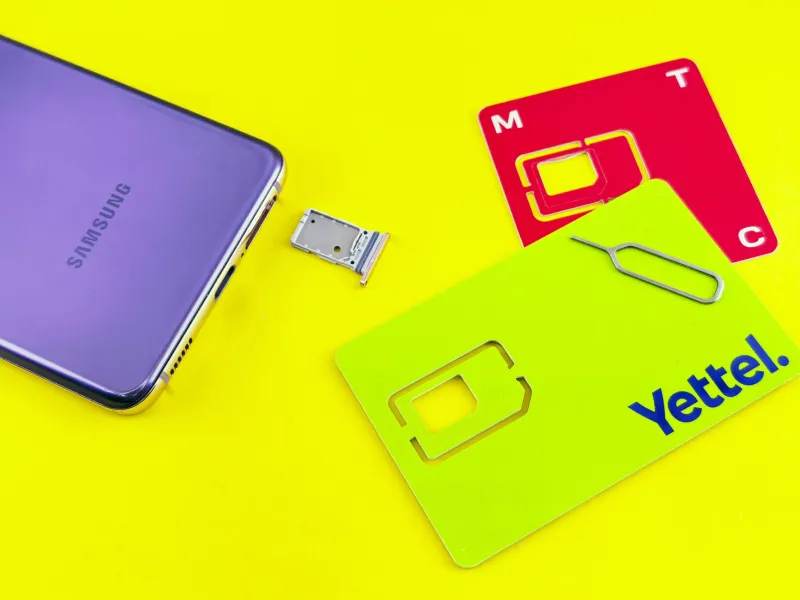
Switching carriers is supposed to be liberating. Better coverage, a cheaper plan, maybe you finally escaped that contract from 2019. But the moment you port out or cancel, your old number doesn't vanish into the void. It goes on a conveyor belt — and at the end of that belt, a stranger picks it up.
If you've never thought about what happens to a phone number after you let it go, buckle up. The process is slower, riskier, and weirder than most people assume.
The Recycling Clock Starts Ticking Immediately
In the US, there's no national waiting period before a number gets reassigned. Carriers follow internal quarantine windows — typically 30 to 90 days — before a disconnected number can re-enter circulation. Some hold numbers for a few months; smaller MVNOs (the budget carriers riding on bigger networks) often recycle faster because their number pools are smaller.
Once the quarantine ends, the number goes back into the available pool. New subscribers, VoIP providers, and even prepaid SIMs sold at convenience stores can grab it. From that point forward, every text, call, and verification code sent to your old number lands in a stranger's hands.
And here's the part that surprises people: the recycling window doesn't care that your bank still has that number listed as your recovery contact.
Why Accounted-For Numbers Become Attack Vectors
The Federal Communications Commission has known about this problem for years. In 2019, the FCC updated porting rules partly to slow down number recycling fraud — scams where bad actors deliberately request recycled numbers to intercept SMS codes.
The playbook is simple and ugly:
- A scammer identifies a recently recycled number.
- They plug it into password reset forms on banking, email, and social platforms.
- Any account still tied to that number sends a verification code — straight to the scammer.
It's not theoretical. Researchers have repeatedly shown that recycled numbers still receive credentials for a laundry list of services, from brokerages to health portals. The number recycling problem persists because updating your phone number across dozens of accounts is tedious, and most people just... don't.
The Port-Out Gap: Where Things Break
Let's say you're switching from Carrier A to Carrier B and you're keeping your number — the smart move. Even then, there's a transition window measured in hours, sometimes days, where things get weird.
During a port, your old SIM deactivates before the new one fully activates. Verification texts sent during that gap can bounce or vanish entirely. If you're mid-port and trying to log into anything with SMS-based two-factor authentication, you might be locked out with no way to receive the code.
Now flip the scenario: you're canceling service and getting a brand-new number. Every account anchored to the old number — your bank, your pharmacy portal, your tax software — is now pointing at a dead line. Miss the update window and you're not just inconvenienced; you're training those services to send your credentials to whoever inherits the number next.
A Stopgap That Actually Works
Here's where a temporary number earns its keep. Think of it as scaffolding during construction: you're not making it permanent, you're just making sure nothing collapses while you renovate.
The move looks like this:
- Before you cancel or port, grab a temp number and start updating your accounts one by one. Banks and financial institutions first — they're the highest stakes and often the slowest to process changes.
- Use the temp number as a receiving buffer during the switchover. If a verification code arrives during the dead zone, you can still catch it.
- Migrate deliberately. A temp number gives you breathing room to log into that ancient eBay account or the password manager you forgot about, without rushing.
- Once your new permanent number is live and every critical account is updated, retire the temp number. No strings, no lingering exposure.
This works because a temporary number is disposable by design. If a leftover account still points to it after you've moved on, the worst case is a bounced code — not your banking credentials landing in a scammer's inbox.
The Pre-Switch Audit Nobody Does
Before touching your carrier plan, spend thirty minutes doing a number audit. Search your email for "verification," "security code," and "confirm your number" — the results map out every service that knows your digits. Pay special attention to:
- Banking and investment apps
- Your primary email account (losing this cascades into everything else)
- Password managers using SMS fallback
- Medical portals and government services (IRS, Social Security, state unemployment systems)
- Utilities and anything on autopay
Update what you can before the switch. For the stubborn ones that require SMS verification to change a number, that's exactly when the temp-number bridge comes in handy.
The Bottom Line
Your phone number isn't yours — it's a lease, and the landlord recycles aggressively. Whether you're porting to a new carrier or cutting the line entirely, the gap between your old number and your new one is where accounts break and fraud happens. Plan the transition like you'd plan a move: audit first, bridge the gap, and never let a recycled number become someone else's key to your life.
A few bucks and twenty minutes of setup beats months of account lockouts and a fraud claim. That's not paranoia — that's just reading the fine print the recycling system hopes you'll skip.