Blacklisted Before You Even Try: How Companies Nuke Entire Phone Number Ranges — and Who Gets Caught in the Crossfire
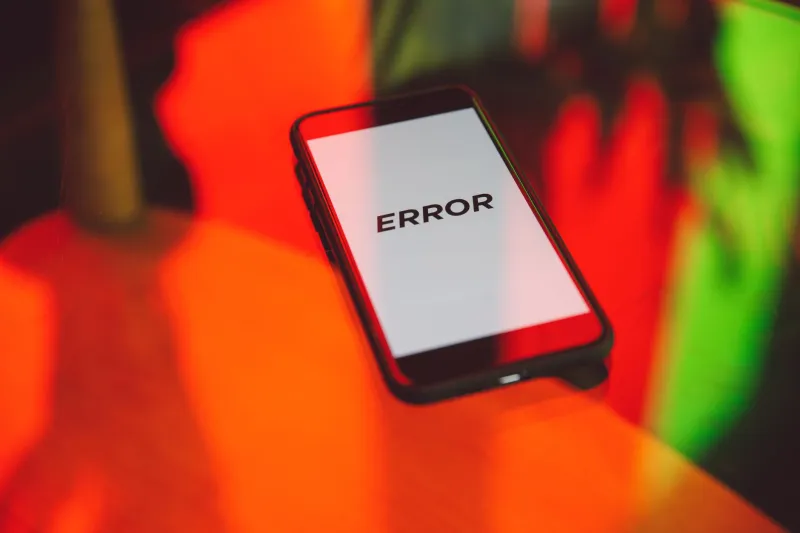
You plug in a temp number, hit submit, and get hit with: "This phone number is not eligible for verification." No explanation. No appeal process. Just a wall.
Welcome to the quiet war being waged over your digits.
Behind the scenes, a growing number of major US companies are running what amount to phone number blocklists — databases that flag or outright reject entire ranges of numbers associated with VoIP carriers, virtual phone services, and disposable number providers. It's not random. It's systematic. And it's catching a lot of people who have absolutely zero sketchy intentions.
Where These Blacklists Actually Come From
Companies don't build these lists from scratch. Most of them license the data from third-party intelligence providers — firms like Neustar, Twilio Lookup, Telesign, and others that specialize in phone number risk scoring. These services cross-reference number prefixes against carrier databases, flag numbers associated with high churn rates, and assign risk scores based on patterns like "this prefix has been used in mass account creation attempts."
The result is a tiered system. Some prefixes get flagged as "high risk." Others get hard-blocked. Banks tend to be the most aggressive — if a number range has ever been associated with fraud, even tangentially, it can end up on a deny list that affects every user on that prefix. Job boards and rental platforms like Zillow or Indeed have adopted similar filtering, largely because fake listings and spam accounts became a serious operational headache for them over the past few years.
The irony? The same data brokers selling these blocklists are often the same ones harvesting and reselling your personal phone number on the other end of the equation.
The Cat-and-Mouse Game Is Very Real
Temp number providers aren't sitting still. This is genuinely a moving target situation — providers rotate number pools, acquire new prefixes, and cycle out ranges that get flagged. Some have moved toward numbers that originate from Tier-1 US carriers through wholesale agreements, making them much harder to distinguish from a standard mobile number.
On the other side, detection systems are getting smarter. Machine learning models now analyze behavioral signals beyond just the number prefix — things like how quickly a number was used after account creation, whether the same number has appeared across multiple platforms, and whether the SMS verification flow completed suspiciously fast. It's not purely a prefix game anymore.
This escalation has real consequences for the tools available to privacy-conscious users. A number that worked fine for a given platform six months ago might get rejected today — not because anything changed on your end, but because the cat finally caught up with the mouse, at least temporarily.
Legitimate Users Are Taking the Hit
Here's where it gets genuinely frustrating. The blocklist approach is a blunt instrument, and blunt instruments create collateral damage.
Consider a few real-world scenarios that play out constantly across the US:
The person who switched carriers. Google Voice numbers — which millions of Americans use as a legitimate primary or secondary line — frequently get blocked by bank verification systems. If you've ever tried to add a Google Voice number to your Chase or Wells Fargo account, you've probably run into this. Google Voice is not a sketchy burner service. It's a mainstream product used by real people for real communication.
The traveler using a foreign SIM. Some international numbers get swept up in VoIP-adjacent blocklists because of how they're routed through US infrastructure. Not a temp number. Not a fraud attempt. Just someone trying to verify an account while abroad.
The small business owner with a VoIP line. Millions of US small businesses run their entire phone infrastructure over VoIP — RingCentral, Vonage, Grasshopper, you name it. When those numbers get flagged by a job board or a gig platform, the business owner can't complete account verification with their actual business line. They're forced to use a personal cell, which defeats the entire purpose of having a separate business number.
None of these people are trying to game the system. They're just trying to use a phone number the way it was meant to be used.
What Actually Still Works in 2024
Okay, so what's the practical picture for someone who genuinely wants to use a temp number for privacy without banging their head against a wall?
The honest answer is: it depends heavily on the platform and the use case.
For lower-stakes signups — newsletters, forums, apps that want a number for notifications — temp numbers still work fine the vast majority of the time. These platforms aren't investing in sophisticated detection infrastructure, and they frankly don't need to.
For mid-tier platforms — social media, e-commerce accounts, some gig apps — it's hit or miss and getting more miss over time. The larger the platform, the more likely they've licensed a number intelligence API. Testing is the only real way to know.
For high-security platforms — banks, government services, healthcare portals — assume a temp number won't work. These organizations have strong regulatory incentives to verify that phone numbers map to real, identifiable people, and their detection systems reflect that.
The providers that tend to have the best success rates are those with legitimate carrier agreements and frequently rotated pools. If a temp number service is advertising numbers that work "everywhere," treat that claim with skepticism — no service can guarantee that in 2024's environment.
The Bigger Picture Worth Thinking About
There's a legitimate tension here that doesn't have a clean resolution.
On one hand, fraud is real. Mass account creation, SMS pumping schemes, and verification bypass attacks cost companies — and ultimately consumers — real money. Detection systems exist for a reason.
On the other hand, phone number verification has quietly become one of the most powerful identity-tracking mechanisms in existence. Requiring a permanent, personally-linked phone number for every account creates a surveillance infrastructure that most users never consented to and don't fully understand. The companies building these systems benefit enormously from that linkage — it's not purely a security measure.
When blocklists sweep up legitimate users in the name of fraud prevention, they're also enforcing a system where opting out of phone-based identity tracking becomes increasingly difficult. That's worth being clear-eyed about.
Temp numbers aren't a magic bullet — the detection arms race has made sure of that. But understanding why those "invalid number" errors are appearing, and what's actually driving them, is the first step toward making smarter decisions about when and how to protect your privacy online.