Someone Else Had Your Number Before You — And Scammers Are Still Calling Their Contacts
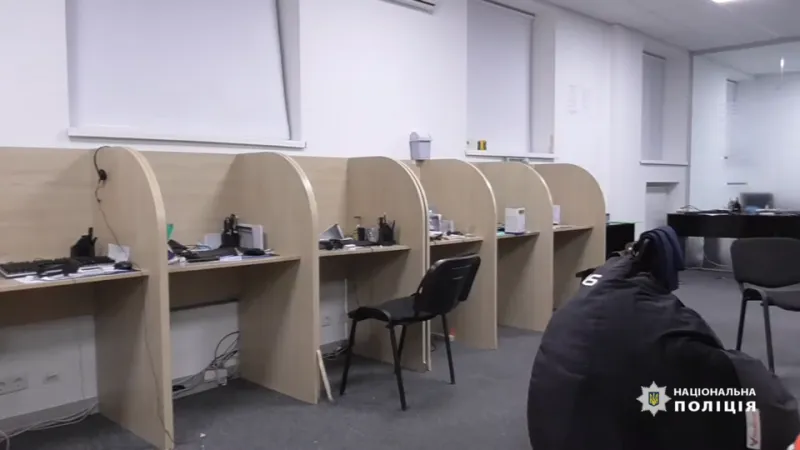
Photo: Національна поліція України, CC BY 4.0, via Wikimedia Commons
You've probably gotten a text meant for someone named "Mike" or a voicemail from a debt collector asking for a "Jessica." Mildly annoying, easy to ignore. But what if those misdirected messages are the least of your problems? What if the person who had your number before you left behind a digital footprint that scammers are actively exploiting — using your current number to impersonate them, manipulate their contacts, and potentially drag you into a fraud investigation you had nothing to do with?
Welcome to the recycled number problem. It's weirder and more dangerous than most people realize.
How Phone Numbers Get Recycled (And Why It Happens So Often)
When someone cancels a phone plan, their number doesn't retire. After a waiting period — which the FCC suggests should be at least 45 days but carriers often shorten in practice — that number gets reassigned to a new customer. Given that Americans churn through phone plans constantly, and that there are only so many available number combinations in any given area code, recycling is basically unavoidable.
The scale is significant. Researchers at Princeton estimated that millions of phone numbers are recycled each year in the US alone. In their study, they found that a large percentage of available numbers on major carrier websites were previously associated with existing accounts on popular services — meaning whoever gets those numbers could potentially hijack verification flows, receive sensitive messages, or be mistaken for the previous owner.
Carriers have financial incentives to recycle numbers quickly. Sitting on deactivated numbers is wasteful inventory. So the waiting periods get compressed, and new customers inherit numbers with histories they know nothing about.
The Scammer's Playbook With Recycled Numbers
Here's where it gets genuinely unsettling.
When a number gets recycled and lands with a new owner, the previous owner's contacts — family, friends, coworkers, old colleagues — don't know the number changed hands. They still have it saved as "Dad" or "Sarah from Work" or "Landlord." Scammers know this.
In some cases, bad actors deliberately acquire recently recycled numbers because they've done the homework. They know who previously held the number (public records, data broker profiles, social media) and they use that context to social engineer the previous owner's contacts. They'll text "Hey it's me, I lost my wallet, can you Venmo me $200?" to someone who thinks they're talking to their nephew. They'll call elderly contacts claiming to be a grandchild in trouble. They'll impersonate a former employee to extract information from a company's HR department.
This isn't theoretical. The FTC and FBI have both documented cases where recycled number fraud contributed to financial losses, account takeovers, and identity theft. The victims are often the previous owner's contacts — people who had no idea the number changed hands and had no reason to be suspicious.
Why Blocking Doesn't Solve This
The instinct when you start getting spam calls is to block, report, and move on. That works fine for obvious robocalls. It does almost nothing for recycled number fraud.
The problem is structural. The scammer isn't calling you — they're calling people who think they're calling someone they trust. Blocking tools can't protect the 70-year-old grandmother who still has her son's old number saved in her phone. Call authentication protocols like STIR/SHAKEN, which are supposed to verify caller identity, don't fully solve this either — they can confirm a call came from a particular number, but they can't tell you that the person holding that number isn't the original owner.
Traditional call screening apps and spam filters operate on known-bad number databases. A freshly recycled number doesn't appear in any spam list. It looks clean because it technically is — it's just being wielded by someone exploiting the gap between the old owner's identity and the new owner's anonymity.
The New Owner Problem
If you're the one who got the recycled number, you've got your own headaches.
You might find that certain services won't let you create an account because your number is already registered — to the previous owner. You might start receiving 2FA codes for accounts you don't own, which is both a security risk (if someone's trying to access those accounts using your number) and a red flag about how many services still have that number on file. You might get collection calls, legal notices, or just a constant stream of misdirected messages that are impossible to fully stop.
And in a worst-case scenario, you could find yourself associated with the previous owner's fraud history, bad debt, or legal issues in ways that are genuinely difficult to untangle.
What Actually Works
Let's cut to the practical stuff, because this is the part that matters.
Audit your number's history before you commit to it. If you just got a new number, run it through a reverse phone lookup service and check whether it's registered on major platforms. If it comes back with a lot of existing associations, you may want to ask your carrier for a different number. Most carriers will accommodate this request, especially early in a new contract.
Use temp numbers as a buffer layer for new signups. This is the core move. When you're signing up for a service that you're not sure you'll stick with — a new app, a marketplace, a platform you're testing out — use a temporary number for verification. If that number later gets recycled or ends up in a breach, it's not connected to your real identity or your core accounts.
Notify your own contacts when you change numbers. This sounds obvious, but most people do a half-hearted job of it. If you've changed your number recently, be thorough. The people who are most vulnerable to recycled-number scams are the ones who still have your old number saved.
Be skeptical of unexpected messages asking for money or information, even from "known" contacts. This is just good hygiene at this point. If someone you know texts you with an unusual request from what looks like their number, call them back through a different channel to verify.
For developers and businesses: Stop using phone number as a sole identifier for account recovery. If someone loses access to their number — or it gets recycled — you've created a vulnerability. Layer your authentication and don't treat phone numbers as permanent identifiers.
The Deeper Issue
The recycled number problem is really a symptom of a broader issue: the phone number was never designed to be a permanent identity anchor, but we've built an enormous amount of critical infrastructure around it as if it were.
Carriers recycle. People change plans. Numbers move around. And yet banks, government services, healthcare portals, and social platforms all treat your phone number like it's as stable as your Social Security number. It isn't.
Using disposable and temporary numbers strategically is one of the few practical moves individuals can make to stay ahead of this. It won't fix the structural problem — that requires carrier policy changes and better authentication standards — but it keeps your real number out of the recycling pipeline and limits the blast radius when things go wrong.
Your number has a past. Make sure it's not your problem.