SMS Two-Factor Auth Is Broken — Here's What the Banks Won't Tell You
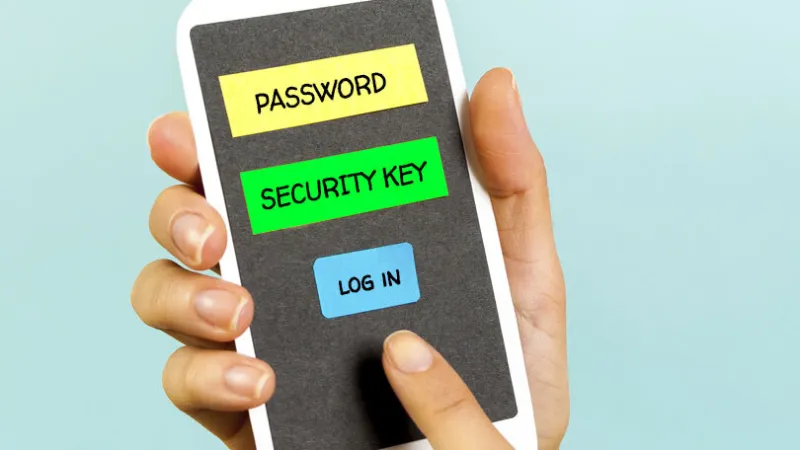
Photo: smartphone SMS security hacker two factor authentication, via i.pcmag.com
The Illusion of Safety in Your Inbox
Every time your bank texts you a six-digit code, you probably feel a little safer. That little buzz on your phone feels like a second lock on the door. And honestly? That's exactly what the banks want you to feel.
But here's the uncomfortable truth: SMS-based two-factor authentication (2FA) has serious structural flaws that security researchers have been screaming about for years. The telecoms know it. The banks know it. And increasingly, so do the hackers.
This isn't a fringe concern or a hypothetical nightmare scenario. SIM swap fraud alone cost Americans over $68 million in reported losses in 2021, according to the FBI — and that number has only climbed since. The people getting hit aren't just careless. They're everyday users who trusted a system that was never as secure as advertised.
What SIM Swapping Actually Looks Like
SIM swapping is the attack that keeps security professionals up at night. The concept is almost embarrassingly simple: a bad actor calls your carrier, pretends to be you, and convinces a customer service rep to transfer your phone number to a SIM card they control.
Once that happens, every SMS meant for you — including those 2FA codes from your bank, your crypto exchange, your email provider — goes straight to the attacker. You don't get a warning. Your phone just stops working.
Carriers are supposed to prevent this with identity verification, but social engineering works shockingly well. Hackers research their targets on social media, buy leaked personal data from breaches, and sometimes even bribe carrier employees directly. The barrier to entry is lower than most people assume.
High-profile victims include tech executives, cryptocurrency investors, and even security researchers themselves. If those folks can get hit, so can you.
The SS7 Vulnerability Nobody Talks About at the Dinner Table
SIM swapping gets the headlines, but there's a deeper, more technical problem lurking underneath: SS7 vulnerabilities.
SS7 (Signaling System No. 7) is the protocol backbone that phone networks worldwide use to route calls and texts. It was designed in 1975, and the security model basically assumes every participant in the network is trustworthy. Spoiler: that's not the case anymore.
Researchers have repeatedly demonstrated that someone with access to the SS7 network — which nation-state actors, sophisticated criminal groups, and even private surveillance companies have — can intercept SMS messages in transit without ever touching your phone or your carrier. The message gets copied mid-flight. You receive it like normal. You never know anything happened.
This isn't theoretical. German researchers demonstrated live SS7 interception against a US congressman's phone back in 2016. The underlying protocol still hasn't been fundamentally fixed.
Where Temp Numbers Expose the Whole Problem
Here's something interesting: temporary phone numbers — the kind you'd grab from a service like TempSMS Hub for app signups and verification — actually make these weaknesses visible in a useful way.
When you use a temp number for a low-stakes signup, you're essentially proving that SMS verification is a knowledge factor, not a possession factor. Anyone who controls a number — even temporarily — can receive its codes. The "something you have" security promise of SMS 2FA breaks down the moment you realize phone numbers aren't actually tied to individuals in any durable, secure way.
That's a useful mental model. Treat your personal phone number like a shared secret that dozens of systems — your carrier, every app you've ever signed up for, every data broker who's bought your info — already have access to. It's not a private key. It never was.
So When Is SMS 2FA Still Worth Using?
Let's be fair here. SMS 2FA isn't worthless. For a lot of everyday accounts — streaming services, retail loyalty programs, low-stakes forums — it's still meaningfully better than nothing. It stops the vast majority of automated credential-stuffing attacks cold. If someone gets your password from a breach, a texted code at least forces them to also compromise your phone number, which raises the effort bar considerably.
The calculus changes fast when the stakes go up. For anything involving serious money, medical records, or identity documents, SMS 2FA is genuinely inadequate. That includes:
- Bank and brokerage accounts — especially those with wire transfer capability
- Cryptocurrency exchanges — a perennial SIM swap target
- Primary email accounts — since email is the master key to everything else
- Domain registrars — hijacking a domain is a business-ending event
- Password managers — obvious reasons
For all of these, you want an authenticator app (Google Authenticator, Authy, or the built-in options in iOS and Android) at minimum, and hardware security keys like a YubiKey if you're serious about it.
Practical Steps You Can Take Right Now
You don't have to wait for your bank to upgrade its security infrastructure — which, let's be honest, could take years. Here's what you can actually do today:
Set a SIM PIN with your carrier. AT&T, Verizon, T-Mobile, and most regional carriers let you add an extra PIN required before any SIM changes can be made. It takes five minutes and meaningfully raises the bar for SIM swap attacks. Do this first.
Switch to an authenticator app wherever possible. Most major services now offer TOTP (time-based one-time password) apps as an alternative to SMS. Dig into your account security settings — the option is often buried but it's usually there.
Audit what's using your real number. Make a list of every service that has your personal phone number for 2FA. Prioritize the high-value accounts and migrate them off SMS. For anything lower-stakes, consider whether they need your real number at all — or whether a secondary or temporary number would do the job just fine.
Don't reuse your primary number for throwaway signups. Every new service that gets your real number is another potential data breach, another entry in a data broker's database, another vector for social engineering your carrier. This is exactly the use case temp numbers were built for.
The Bigger Picture
The banking and financial industry's continued reliance on SMS 2FA isn't really about security. It's about friction reduction and cost. SMS is cheap, universally supported, and familiar. Authenticator apps require user education. Hardware keys require distribution. From a product perspective, SMS is the path of least resistance.
But that cost-benefit analysis is made by institutions, not by you — and the downside risk lands on your account, not theirs. Staying informed about how these systems actually work, and making deliberate choices about where you trust SMS verification and where you don't, is the most practical form of self-defense available right now.
Your phone number is more powerful — and more exposed — than most people realize. Treat it accordingly.