Phone Number Walls Are Everywhere Now — Here's the Business Strategy They're Hiding From You
Remember when signing up for something online just meant picking a username and password? Those days feel almost quaint now. Today, you can't browse certain job boards, complete a purchase on some e-commerce sites, or request a ride without handing over your personal phone number first. The creep has been slow enough that most people barely noticed — until suddenly every platform in their life has a direct line to their pocket.
This isn't an accident. It's strategy. And the more you understand what's actually happening, the easier it becomes to push back.
The Verification Requirement Isn't Really About You
Platforms love to frame phone verification as a safety measure. "We just want to make sure you're a real person." "This helps us protect your account." Sure, there's a sliver of truth there — bots and fraud are real problems. But if you dig into when these requirements appear and what data gets collected alongside them, the security narrative starts looking pretty thin.
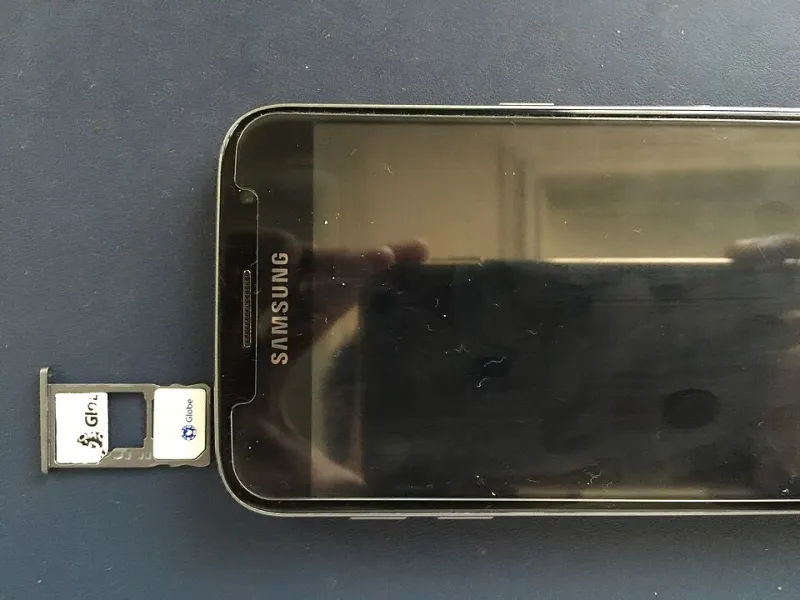
Here's the thing: a phone number is one of the most persistent identifiers a company can attach to you. Unlike an email address — which you can create for free in about 90 seconds — your personal cell number is tied to a real billing relationship, a physical SIM card, and often years of location and usage data sitting at your carrier. When a platform captures it, they're not just verifying you once. They're anchoring your entire behavioral profile to something that's genuinely hard to change.
Ride-share apps were early adopters of this playbook. Job boards followed. E-commerce platforms — especially the ones with loyalty programs — have been quietly tightening requirements over the last few years. Each one frames it differently, but the underlying mechanic is the same: tie the user to a durable identifier, then build a data relationship around it.
The Lock-In Layer You Probably Didn't Consent To
Phone verification isn't just about data collection, though. There's a secondary function that rarely gets talked about: it makes leaving harder.
When your account recovery, your order history, your driver ratings, your seller reputation — all of it is bound to your personal number — switching platforms becomes genuinely costly. You're not just creating a new account somewhere else. You're starting from scratch with no history, no trust signals, and no easy way to port what you've built. That friction is worth real money to the platform you're trying to leave.
This is especially sharp on gig economy platforms and marketplace sites. Your seller feedback on a major e-commerce platform, your driver acceptance rate on a ride-share app — these are locked behind a phone number that the platform controls the relationship with, not you. They didn't design it this way by accident.
Job boards have gotten sneaky about this too. Several major US employment platforms now require phone verification before you can even view certain listings, let alone apply. The stated reason is usually spam prevention. The unstated reason is that your job search behavior — what roles you look at, how often, at what salary ranges — is genuinely valuable data that they'd rather not let anonymous visitors collect for free.
Spotting the Unnecessary Ask
Not every phone verification request is a manipulation play. Some are legitimately useful — two-factor auth on your bank account, for example, or delivery confirmations on a high-value order. The trick is learning to distinguish the functional asks from the data-collection ones.
A few signals that a verification requirement is more about capture than security:
It appears before you've done anything sensitive. If a platform wants your number before you've attempted a login, made a purchase, or accessed any account features, that's a flag. Legitimate security measures typically trigger when there's actual risk — not when you're just browsing.
Opting out breaks core functionality. If declining to verify suddenly locks you out of features that have nothing to do with account security or fraud prevention, the requirement is about access control, not protection.
The privacy policy is vague about what happens to it. Spend two minutes with the fine print. If the language around phone number usage is broad and full of "may share with partners" clauses, you're looking at a data monetization play dressed up as a security feature.
There's no alternative path. Legitimate security implementations usually offer some kind of fallback — email verification, an authenticator app, a one-time code via a different channel. When phone is the only option with zero alternatives, ask yourself why.
Practical Ways to Keep Access Without the Exposure
The good news is you don't have to choose between using these platforms and protecting your primary number. There are real, practical options that work right now.
Temporary phone numbers are the most flexible tool here. Services like TempSMS Hub let you receive an SMS verification code on a disposable number, complete the signup, and move on — without ever connecting your personal number to that platform's data ecosystem. For one-time verifications on sites you're not sure you'll stick with, this is often the cleanest solution.
VoIP numbers (Google Voice being the most widely used in the US) offer a semi-persistent alternative. They're real enough to pass most verification systems, but they're not tied to your carrier identity or physical SIM. The downside is that some platforms have started flagging known VoIP prefixes — which is exactly the kind of arms race that makes disposable numbers more useful for edge cases.
Purpose-specific numbers make sense if you're regularly signing up for services in a particular category. A dedicated number just for e-commerce platforms, for example, keeps your shopping activity siloed from your professional or personal identity. If one of those platforms gets breached or starts spamming you, the blast radius is contained.
Pushback is underrated. Especially for services you're already paying for, it's worth contacting support and asking whether phone verification is actually required or just the default path. Some platforms have alternative verification flows that aren't advertised — they just don't make them easy to find.
The Bigger Picture
Phone verification requirements aren't going away. If anything, they'll keep expanding as platforms compete to build more durable user profiles and regulators focus on other things. The companies deploying these systems have sophisticated teams thinking carefully about how to maximize data capture while minimizing user friction — which means the defaults will always be set against your privacy interests.
But defaults can be worked around. The more you understand why a platform is asking for your number, the better positioned you are to decide whether that's a trade you actually want to make — or whether a temp number and five extra minutes is all it takes to keep your personal information out of one more database.
That's not paranoia. That's just knowing the rules of the game.