Your Recovery Phone Number Is the Front Door Hackers Walk Right Through
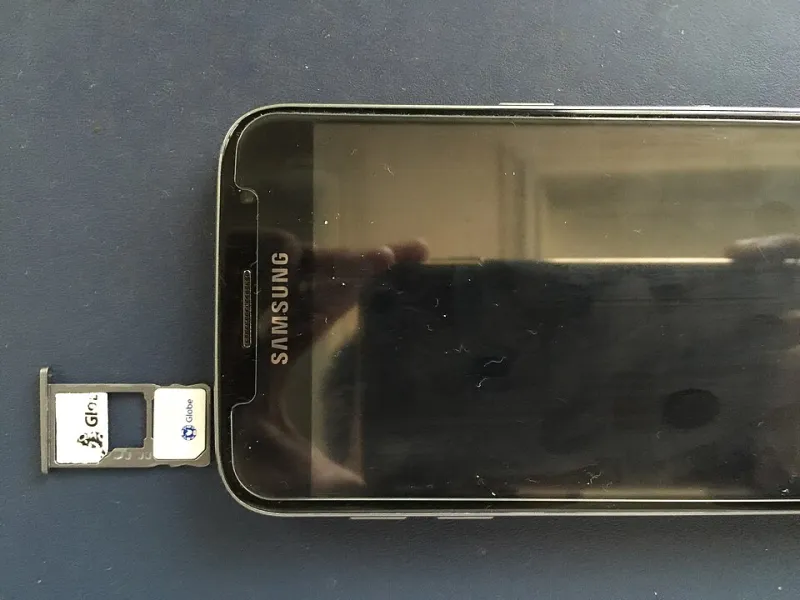
Photo: Blakegripling ph, CC0, via Wikimedia Commons
When you add a backup phone number to an account, the intention is solid: if you ever get locked out, there's a lifeline. But somewhere between that good intention and reality, something went badly wrong. That recovery number — the one tied to your real identity, your real carrier, your real life — has become one of the most reliably exploited entry points in modern cybercrime.
This isn't a fringe issue. Account takeover attacks are up dramatically year over year, and a huge chunk of them start with one thing: your phone number.
How a SIM-Swap Attack Actually Works
Let's break this down without the jargon overload. A SIM-swap attack is when someone convinces your mobile carrier to transfer your phone number to a SIM card they control. Once that happens, every SMS that was meant for you — including two-factor authentication codes and account recovery links — goes straight to the attacker.
The scary part? They don't need your password. They don't need to hack anything in the traditional sense. They just need to socially engineer a customer service rep, sometimes with nothing more than your name, address, and the last four digits of your Social Security number — all stuff that's been floating around in data breach dumps for years.
Carriers like AT&T, T-Mobile, and Verizon have all faced documented SIM-swap incidents. In some cases, attackers have even bribed carrier employees directly. Once the swap goes through, the clock is ticking fast.
Real People, Real Losses
This isn't theoretical. In 2020, Twitter CEO Jack Dorsey's account was hijacked through a SIM-swap. More painfully for regular people, a wave of crypto investors in the US lost life-changing sums the same way — attackers targeted their phone numbers, gained access to exchange accounts, and drained wallets before anyone realized what was happening.
One particularly brutal case involved a California man who lost over $1 million in Bitcoin. The attacker SIM-swapped his number, reset his Coinbase password via SMS, and emptied the account in minutes. His carrier, AT&T, was later sued. He eventually reached a settlement — but the crypto was long gone.
Bank accounts aren't immune either. Zelle fraud cases have frequently started with attackers gaining access to email or banking portals through compromised phone numbers. Once they're in, reversing the damage is a nightmare.
The Account Recovery Exploit Nobody Talks About
SIM-swapping gets the press, but there's a quieter exploit that's just as dangerous: the account recovery flow itself.
Most major platforms — Google, Microsoft, Apple, Facebook — let you reset your password via a code sent to your backup phone number. That's the feature. But here's the problem: the security of your entire account is now only as strong as the security of your phone number.
If an attacker controls your number (through a SIM-swap, a ported number, or even a compromised carrier account), they can trigger a password reset on any service that has your number on file. They don't need your old password. They don't need your security questions. They just need the SMS.
And if you've used the same number across dozens of accounts — your email, your bank, your crypto exchange, your work Slack — all of those are now exposed through a single point of failure.
Why Compartmentalization Is the Real Fix
Here's where the mindset shift happens. Most security advice tells you to add things: use a password manager, enable 2FA, set up a recovery email. Good advice, generally. But it rarely addresses the underlying problem, which is that your personal phone number has become a universal key.
The smarter move is compartmentalization — keeping your real identity separate from the accounts and services that don't strictly need it.
Temporary phone numbers fit into this strategy in a genuinely useful way. When you're signing up for a service that demands a phone number for verification but doesn't need to reach you long-term — think crypto platforms, financial apps you're testing, or even secondary email accounts — using a temp number means your real number never enters that platform's database. It can't be targeted in a breach. It can't be used to trigger a recovery flow on your primary accounts.
This isn't about hiding anything sketchy. It's about not handing out a master key to every service that asks for one.
What About Accounts That Need a Real Number?
Fair question. Your primary bank account, your main email, your core identity — these genuinely need a real, reachable number for legitimate recovery purposes. Here's how to harden those:
Switch to an authenticator app. Google Authenticator, Authy, or any TOTP-based app generates codes locally on your device. There's no SMS involved, which means no SIM-swap vulnerability. If your bank or email provider offers this option, use it instead of SMS 2FA.
Set a SIM lock or port freeze with your carrier. Most US carriers let you add a PIN or passcode requirement before any SIM changes can be made. Call your carrier and ask specifically about SIM-swap protection. T-Mobile, Verizon, and AT&T all have some version of this — but you have to opt in.
Use a Google Voice number as your listed recovery number. Google Voice numbers are harder to SIM-swap than carrier numbers because they're account-based, not SIM-based. Not a perfect solution, but a meaningful upgrade.
Audit which accounts have your real number. Go through your most important accounts and check what phone number is listed as a backup. You might be surprised how many have an old number, a number you no longer control, or your primary personal number where it doesn't need to be.
The Bigger Picture
We've spent years thinking about passwords as the main security problem. And yeah, weak passwords are still a mess. But the attack surface has shifted. Hackers have figured out that your phone number is often easier to compromise than your password — and it unlocks more.
The account takeover epidemic isn't slowing down. If anything, as more financial activity moves to apps and digital wallets, the incentive to target phone numbers keeps growing.
The answer isn't paranoia — it's strategy. Know which accounts hold real value, harden those with the best tools available, and stop handing your real number to every platform that asks for it. Use temporary numbers where your long-term reachability doesn't matter. Keep your real identity compartmentalized.
Your phone number was never supposed to be a password. Treating it like one is exactly the mistake attackers are counting on.