Retailers vs. Temp Numbers: The Detection Arms Race You Never Knew You Were Part Of
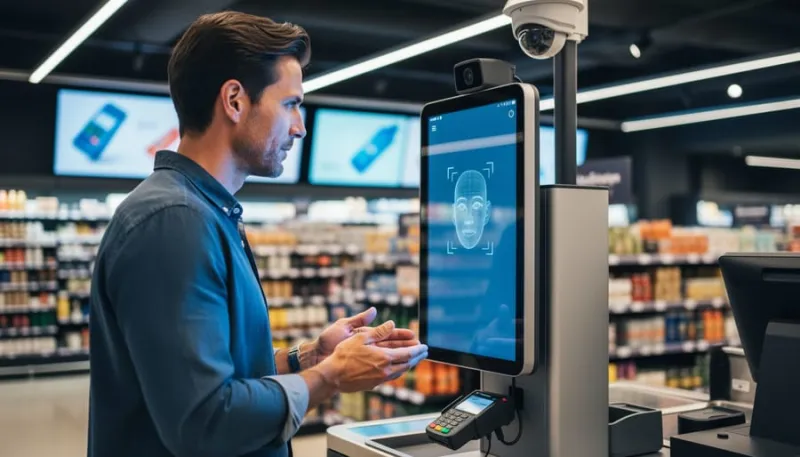
Photo: online shopping checkout security verification technology retail, via www.saleshub.ca
Every time you hand over your phone number to create a shopping account or unlock a "members only" discount, a quiet negotiation is happening behind the scenes. The retailer wants a real, persistent number tied to a real person. You — if you're paying attention — probably just want the 15% off coupon without signing up for a lifetime of marketing texts. Enter the temp number, and enter the arms race.
Major US retailers have invested real money into phone verification systems designed to weed out disposable numbers. But here's the thing: those systems are nowhere near as airtight as the companies would like you to believe.
Why Retailers Want Your Real Number So Badly
Before getting into the detection mechanics, it's worth understanding what's actually at stake for these companies. Your phone number isn't just a security tool — it's a data anchor. Retailers use it to stitch together your purchase history across devices, link your in-store and online behavior, and feed that profile into advertising networks. A verified mobile number also dramatically increases the value of your customer record when that data gets licensed or sold.
When you use a temporary number, you're not just protecting your inbox from spam. You're breaking that data chain entirely. For a company that's built its CRM strategy around persistent phone-based identity, that's genuinely disruptive.
How Detection Actually Works (And Where It Falls Apart)
Most retail verification systems rely on one of a few approaches to flag suspicious numbers:
Carrier lookup APIs check whether a number is registered to a major carrier like Verizon, AT&T, or T-Mobile versus a VoIP provider or known virtual number service. This sounds effective, but the reality is messier. Plenty of legitimate users — including people who've cut the cord on traditional cell plans — use VoIP-based services as their primary numbers. Blocking all VoIP traffic would lock out a meaningful slice of real customers, so most retailers set their thresholds conservatively.
Database blacklists are another common tool. Verification vendors maintain lists of number ranges associated with known temp services and update them periodically. The catch? "Periodically" often means quarterly or even less frequently in practice. Services that rotate their number pools regularly stay ahead of these lists with surprisingly little effort.
Behavioral signals — things like account creation velocity from the same IP, or a number that's been used across dozens of new accounts in a short window — can flag suspicious activity. But a single user casually using a temp number for a one-off account creation generates almost no suspicious signal at all. These systems are built to catch fraud rings and bot farms, not privacy-conscious individual shoppers.
The Retailer Spectrum: Sophisticated vs. Still Sleeping
Not all retailers are playing the same game here. Through informal testing and community reports from privacy forums and developer communities, a rough hierarchy has emerged.
At the more sophisticated end, you'll find platforms like Amazon and Walmart's online storefront, which layer multiple verification signals together. Amazon in particular has historically been aggressive about flagging numbers that appear in known VoIP ranges, and their account review process can trigger additional verification steps if behavioral patterns look off. That said, even Amazon's system isn't impenetrable — it's just more annoying to work around.
Mid-tier retailers — your department store chains, specialty electronics outlets, and most DTC brands — typically rely on a single third-party verification vendor and don't layer additional checks on top. If the vendor's database hasn't been updated recently, temp numbers sail right through.
Smaller e-commerce operations are often running basic SMS verification through something like Twilio's standard verify product with default settings. These setups do almost nothing to distinguish temporary from permanent numbers. The verification step exists to confirm a human is present, not to establish persistent identity.
The Coupon Economy Complicates Everything
Here's an irony worth sitting with: many retailers have built their own verification loopholes through aggressive promotional strategies. "Sign up for texts, get 20% off" campaigns are designed to maximize list size, not verify identity quality. The business unit running that campaign has different incentives than the fraud team trying to lock down account creation. The result is that plenty of platforms have simultaneously invested in detection technology and weakened it through their own marketing practices.
This tension isn't going away anytime soon. As long as retail marketing strategies are built around growing SMS subscriber counts, there will be pressure to keep verification frictions low — which inherently limits how aggressive detection can get.
What This Means for You as a Consumer
If you're using a temporary number from a service like TempSMS Hub to protect your personal information during online shopping, you're operating in a space where the rules are genuinely murky. You're not doing anything illegal — providing a functional phone number that receives the verification SMS is exactly what the platform asked for. The fact that it's temporary is, frankly, your business.
The practical reality is that temp numbers work smoothly at the vast majority of retail sites. Where you're more likely to hit friction is on platforms that have invested heavily in persistent identity — subscription services, marketplaces with seller or buyer ratings, and platforms where account history has real value. In those cases, the verification system is doing more than confirming you have a phone; it's trying to anchor you to a persistent profile.
For pure checkout verification — confirming a purchase, unlocking a one-time discount, creating an account you'll use briefly — temp numbers remain highly effective across the retail landscape.
The Bigger Picture
This cat-and-mouse dynamic is really just a symptom of a larger problem: the assumption, baked into most retail tech infrastructure, that your phone number is a fair price of entry for basic commerce. It isn't. A phone number is a persistent, sensitive identifier that connects to your real-world identity in ways that a throwaway email address simply doesn't.
Until retailers start treating phone number collection as the significant data collection it actually is — rather than a routine verification checkbox — the arms race will continue. And honestly? Given the current state of detection technology, consumers who choose to protect their numbers are holding their own just fine.
The systems designed to stop you are, more often than not, looking the other way.