Listing on Craigslist, Screening on the Side: The Landlord's Guide to Keeping Your Cell Number Off the Internet
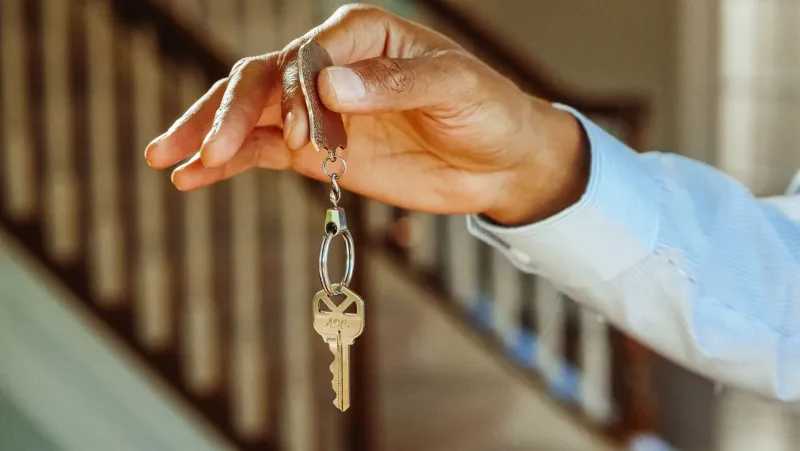
There's a weird double standard baked into American housing, and if you've ever rented out a single condo or a duplex, you've felt it from the other side.
Renters get asked for everything: pay stubs, W-2s, past addresses going back a decade, references, sometimes even a photo ID before they've seen the place. Landlords, on the other hand? They hand over a phone number on a Zillow or Craigslist listing and call it a day. That's the entire exchange.
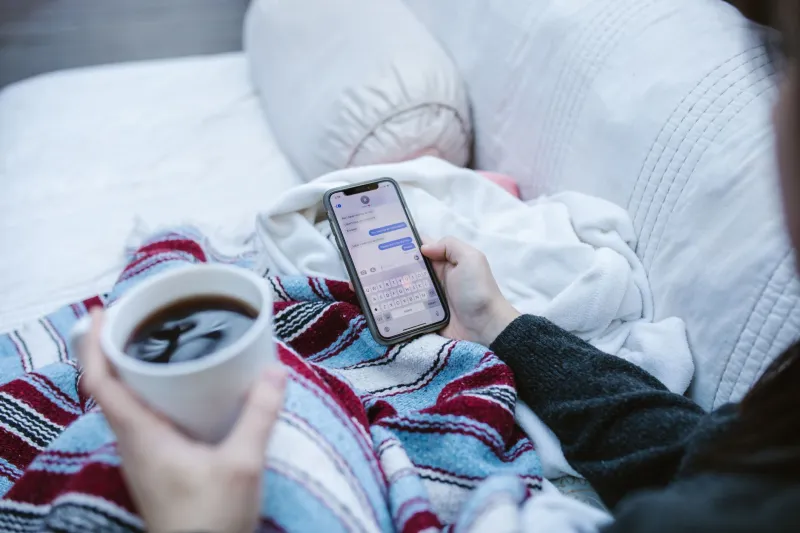
And that phone number is usually a personal cell. The same one your family texts. The same one tied to your bank's two-factor authentication. Once it hits a listing site, it's effectively public record — scraped by lead-gen bots, spam callers, and every data broker with a web crawler.
Here's how to fix that without buying a second phone or signing a two-year contract.
What Actually Happens to a Number in a Listing
Post your real cell on a rental site and three things tend to follow.
First, the spam wave. Rental listings are scraped aggressively by automated systems looking for live numbers attached to motivated responders. Within days, you're fielding robocalls about your "vehicle's extended warranty" and extended-stay timeshare pitches you never asked for.
Second, the lead resellers. Some inquiries aren't from renters at all — they're from services pretending to be interested tenants so they can capture your contact info and sell it to property management companies, insurance outfits, and mortgage brokers.
Third, and this is the one nobody warns you about: the vindictive applicant. Deny someone's application — for perfectly legal, documented reasons — and now that person has your personal number. Some will leave one-star Google reviews on a business that doesn't exist. A few will text you at odd hours for months. In rare cases, it escalates.
A temporary or secondary number puts a firewall between all of that and your actual life.
The Disposable Number Workflow, Step by Step
This isn't complicated. Here's the setup a lot of independent landlords and small property managers have landed on.
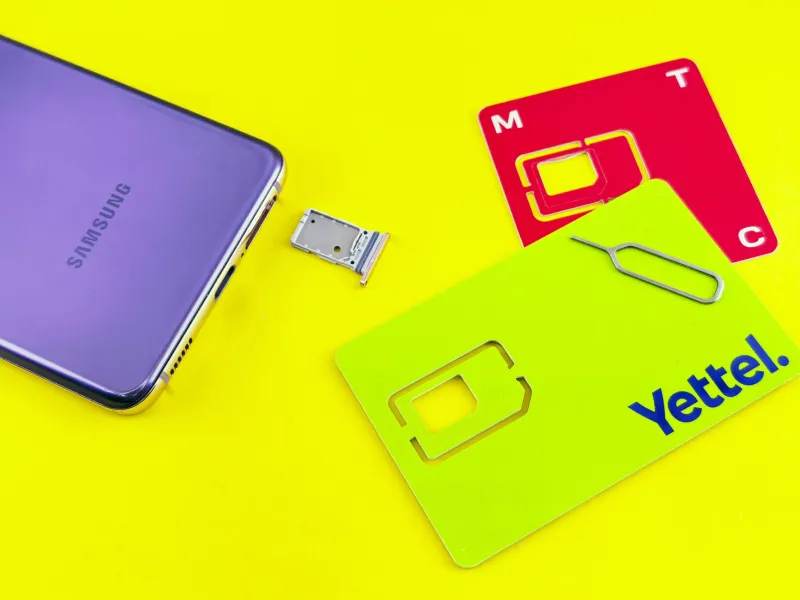
1. Grab a temp or secondary number before you post anything. Services that offer SMS-capable temporary numbers let you get a working number in minutes — enough to receive inquiries, verify your own listing account, and screen applicants. No hardware, no carrier store, no contract.
2. Use it exclusively for the listing. Your Craigslist post, your Zillow inquiry responses, your Facebook Marketplace messages — all of it routes through the temp number. Your real cell never appears anywhere.
3. Set forwarding rules, not open lines. Most temp number services let you forward calls or get SMS transcripts without answering live. You decide when you're "on duty" as a landlord. A 9 p.m. inquiry about your garage apartment can wait until morning without ever buzzing your personal phone.
4. Screen through it, deliberately. Ask the standard pre-screening questions by text: move-in date, number of occupants, income range, pets, smoking. Everything is written down, timestamped, and searchable — which is genuinely useful if a fair housing question ever comes up later.
5. Burn it when the unit is leased. Once you've signed a tenant, kill the number. The next time you have a vacancy, spin up a fresh one. Every spammer, scraper, and grudge-holder who collected the old number is texting a dead line.
That last step is the whole point. A permanent secondary number is a step up from your personal cell, but it still accumulates baggage. A disposable one resets to zero every leasing cycle.
The Verification Asymmetry, Flipped
Here's the part that makes this feel less one-sided. Renters already know they're handing over a mountain of personal data. What they don't expect is a landlord who also operates behind a layer of privacy — and honestly, that's fine. This isn't about hiding from tenants.
It's about matching the exchange. You're asking applicants to share pay stubs and Social Security numbers with a stranger. The least you can do is not also leak your personal contact info to every bot and broker crawling the listing sites in the process.
There's a practical benefit for tenants, too: a dedicated landlord line with clear hours means faster, more organized responses than a personal cell that mixes rental business with everything else. Everybody wins.
A Few Ground Rules Worth Knowing
Before you run with this, a couple of quick guardrails.
Don't use a temp number for anything official. Lease agreements, security deposit communications, and formal notices should go through your documented, consistent contact channel. The disposable number is for listings, pre-screening, and inquiry triage — the noisy, public-facing layer.
Keep fair housing compliance front and center. A written text trail from a dedicated number is actually better for consistency than a memory of phone calls. Just make sure you ask every applicant the same questions.
Watch for VoIP-blocking on some platforms. A few listing sites and background-check services flag certain number types. Test your setup before your listing goes live, and have a fallback secondary number from a mainstream carrier if you hit a wall.
One Number, One Listing, Zero Fallout
The landlord who posts a listing with a burner-style number and retires it at signing isn't being paranoid. They're doing what every tech-savvy person with a public-facing role already does: separating the broadcast channel from the personal one.
You wouldn't put your home address on a Craigslist ad. In 2025, your cell number deserves the same courtesy — and a 10-minute temp number gives it to you.